
How To Maintain Your Athletic Court for Longevity
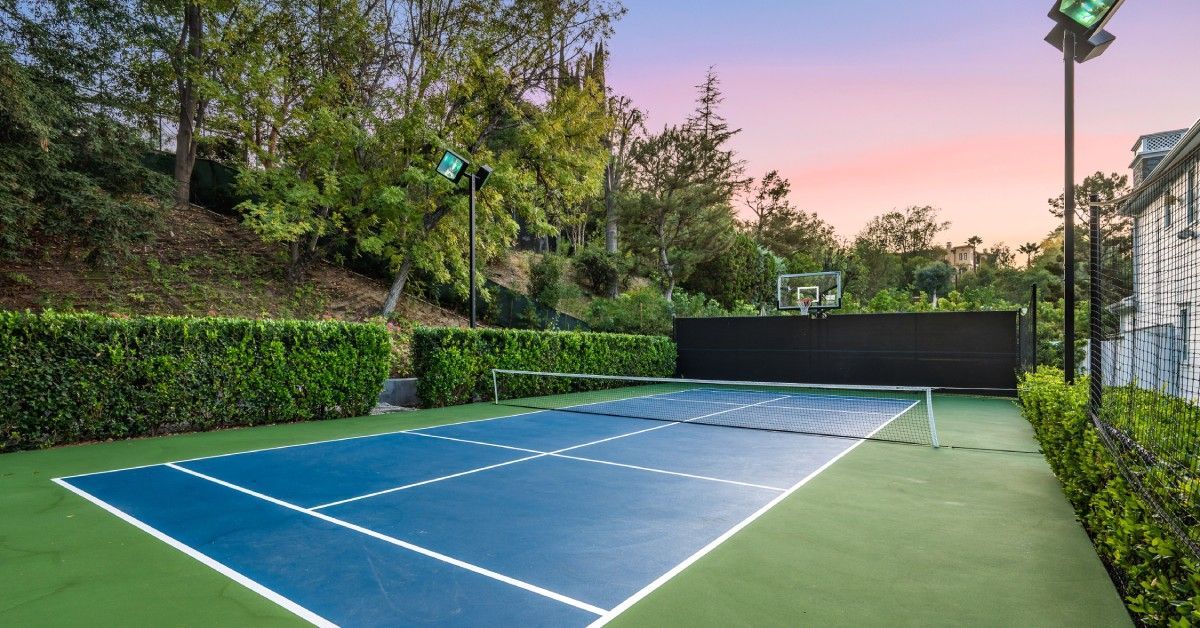
An athletic court represents a significant investment in your property. Whether it’s a basketball court, tennis court, or multi-sport facility, proper maintenance protects that worthy investment and ensures years of safe, reliable performance. Regular upkeep prevents costly repairs, extends the court’s life, and maintains optimal playing conditions for athletes of all skill levels.
Southern California’s climate presents unique challenges for court surfaces. Intense sun exposure, occasional rain, and temperature fluctuations can all accelerate wear and tear. It’s important to know how to maintain your athletic court for longevity so that all that money spent wasn’t for nothing.
Start With Regular Surface Cleaning
Clean your court surface at least once a week to remove dirt, leaves, and debris. Use a leaf blower or soft-bristle broom to sweep away loose materials. For deeper cleaning, pressure wash the surface every few months using a fan tip nozzle set to medium pressure. Avoid using harsh chemicals that can damage the court material or harm surrounding landscaping.
Standing water damages court surfaces over time. After rain or cleaning, check for puddles and squeegee them away promptly. Pay special attention to low spots where water tends to collect.
Address Cracks and Surface Damage Immediately
Small cracks expand quickly if left unaddressed. Inspect your court monthly for signs of damage, including hairline cracks, chips, or surface separation. Fill minor cracks with appropriate patching materials designed for your specific court surface. For larger repairs, consult with an athletic court builder like Allstate Landscape Services who can assess the damage and recommend professional solutions.
Temperature changes cause court materials to expand and contract. Addressing minor issues early prevents them from developing into major structural problems that require extensive repairs.
Maintain Proper Drainage Systems
Effective drainage protects your court from water damage and erosion. Check drain covers quarterly to make sure they remain clear of debris. Remove any blockages that could prevent proper water flow. Inspect the area around your court for signs of settling or erosion that might redirect water onto the playing surface.
If you notice persistent pooling or drainage issues, professional evaluation may reveal underlying problems with the court base or surrounding grade. Addressing drainage concerns promptly prevents water from compromising the court’s structural integrity.
Protect Against Sun Damage
Southern California’s intense sunlight fades court surfaces and breaks down protective coatings over time. Apply a quality acrylic re-surfacer every three to five years to restore color vibrancy and protect the surface from UV damage. Choose products specifically formulated for athletic courts that provide aesthetic appeal and functional benefits.
Between resurfacing applications, inspect the court for signs of excessive fading or surface degradation. Early intervention maintains appearance and performance while preventing more serious deterioration.
Keep Vegetation in Check
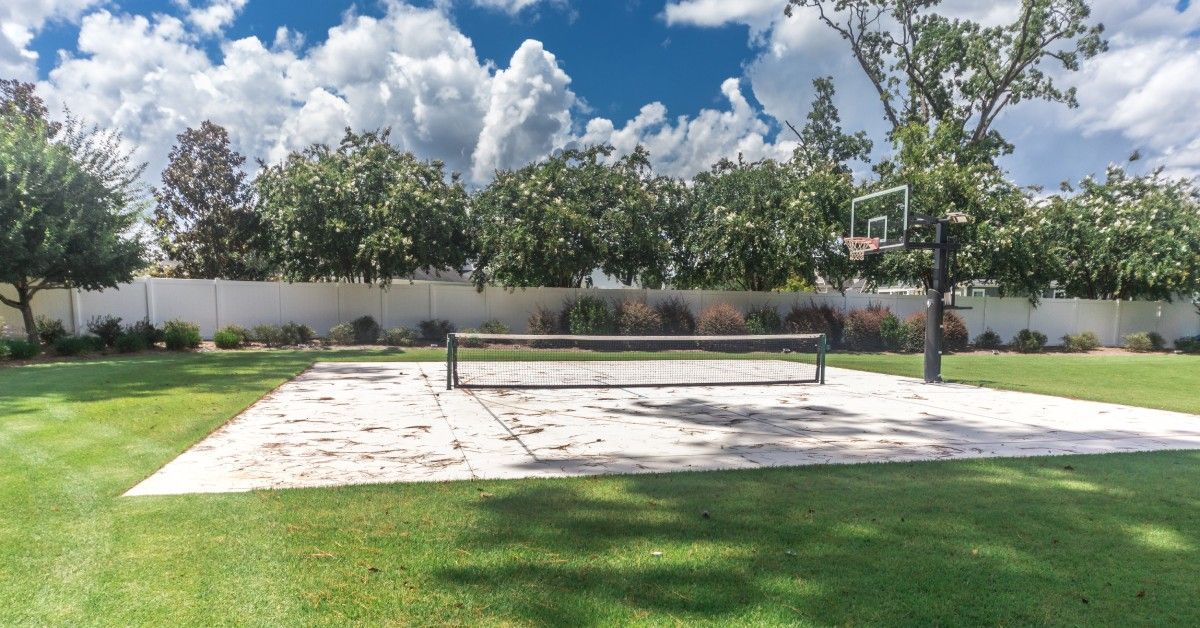
Plants and weeds growing along court edges can damage surfaces and create tripping hazards. Trim vegetation regularly to maintain a clear perimeter around your court. Remove any plants growing through cracks in the surface immediately, as their roots can expand existing damage.
Apply appropriate weed prevention methods around the court’s edges without allowing chemicals to contact the playing surface. Maintain a vegetation-free zone of at least 12 inches around the entire court perimeter.
Monitor and Maintain Court Lines
Clearly visible lines ensure safe play and proper game regulation. Inspect court markings quarterly for signs of fading or wear. Touch up faded lines using paint designed specifically for athletic court surfaces. Match colors carefully to maintain a professional appearance.
Proper line maintenance involves:
- Using appropriate paint products for your surface type
- Applying paint in suitable weather conditions
- Allowing adequate drying time before use
- Maintaining consistent line width and placement
Inspect and Maintain Court Accessories
Nets, posts, fencing, and lighting require regular attention to function properly. Check net tension monthly and adjust as needed. Inspect posts for rust, damage, or instability. Examine fencing for tears, loose sections, or protruding hardware that could cause injuries.
Replace worn or damaged accessories promptly to maintain safety and functionality. Keep spare parts on hand for quick repairs when needed.
Establish a Seasonal Maintenance Schedule
Different seasons demand specific maintenance attention. During summer months, focus on sun protection and heat-related surface monitoring. Fall requires increased leaf removal and drainage system checks. Winter maintenance emphasizes water management and freeze-thaw cycle preparation. Spring provides an ideal time for deep cleaning and annual inspections.
Create a written maintenance calendar that outlines monthly, quarterly, and annual tasks. Consistent scheduling prevents overlooked maintenance and helps you track the court’s condition over time.
Control Court Usage Properly
Establish clear usage guidelines to prevent unnecessary wear and damage. Prohibit activities that could harm the surface, such as skateboarding, rollerblading, or use of inappropriate footwear. Restrict food and beverages to designated areas away from the playing surface.
Post visible rules near court entrances to inform users of proper conduct. Consistent enforcement of usage policies extends court life and maintains optimal playing conditions.
Document Maintenance Activities
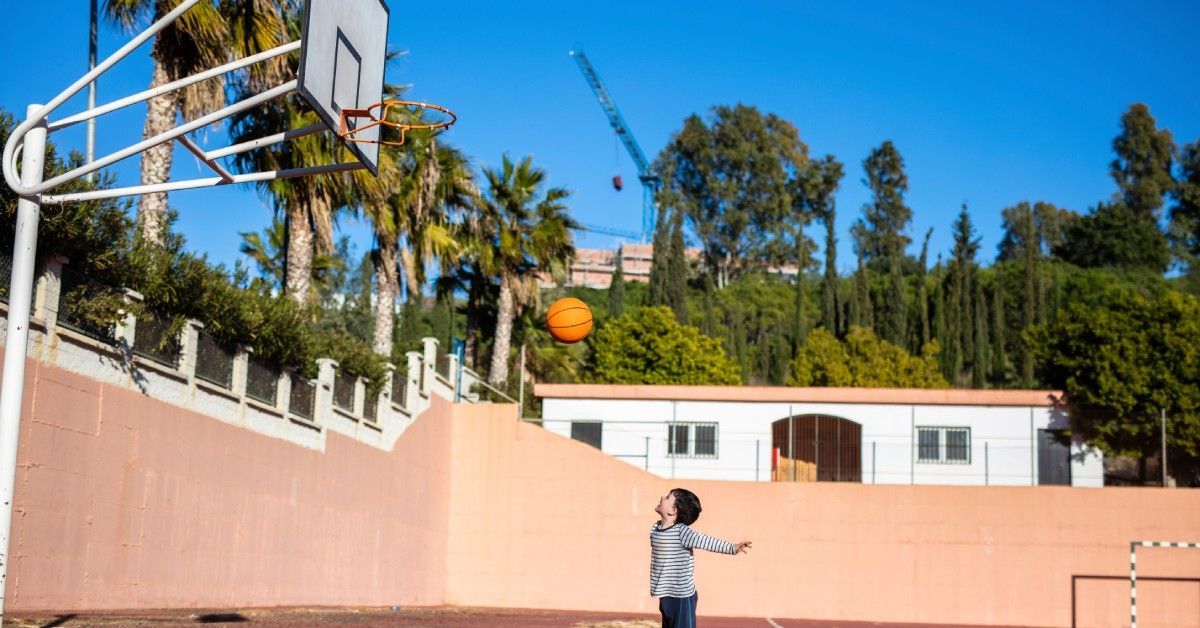
Keep detailed records of all maintenance performed on your court. Document cleaning dates, repairs completed, products used, and any observed changes in court condition. Photographs taken at regular intervals provide visual records of the court’s condition over time.
Maintenance records can identify patterns, predict future needs, and provide valuable information if professional repairs become necessary. They also prove useful if warranty claims arise or if you decide to sell your property.
Schedule Professional Inspections
Even with diligent personal maintenance, professional evaluation provides valuable insights into your court’s condition. Schedule annual inspections with qualified court specialists who can identify issues you might miss. Professionals assess structural integrity, drainage effectiveness, and overall court health using specialized knowledge and equipment.
Professional inspections often reveal minor problems before they become major expenses. Regular expert evaluation complements your routine maintenance efforts and provides peace of mind about your court’s condition.
Invest in Long-Term Court Health
Maintaining an athletic court for longevity requires consistent effort and attention to detail. Regular cleaning, prompt repairs, and seasonal care protect your investment and ensure years of reliable performance. By following these best practices, you will preserve the functionality and appearance of your court while avoiding costly premature replacement.
Quality maintenance begins with understanding your court’s specific needs and responding proactively to changing conditions. Whether you maintain the court yourself or work with the professionals at Allstate Landscaping, consistent care delivers the best results. Reach out for full support on your home’s athletic and recreation area.