
Choosing the Right Synthetic Turf for Your Landscape
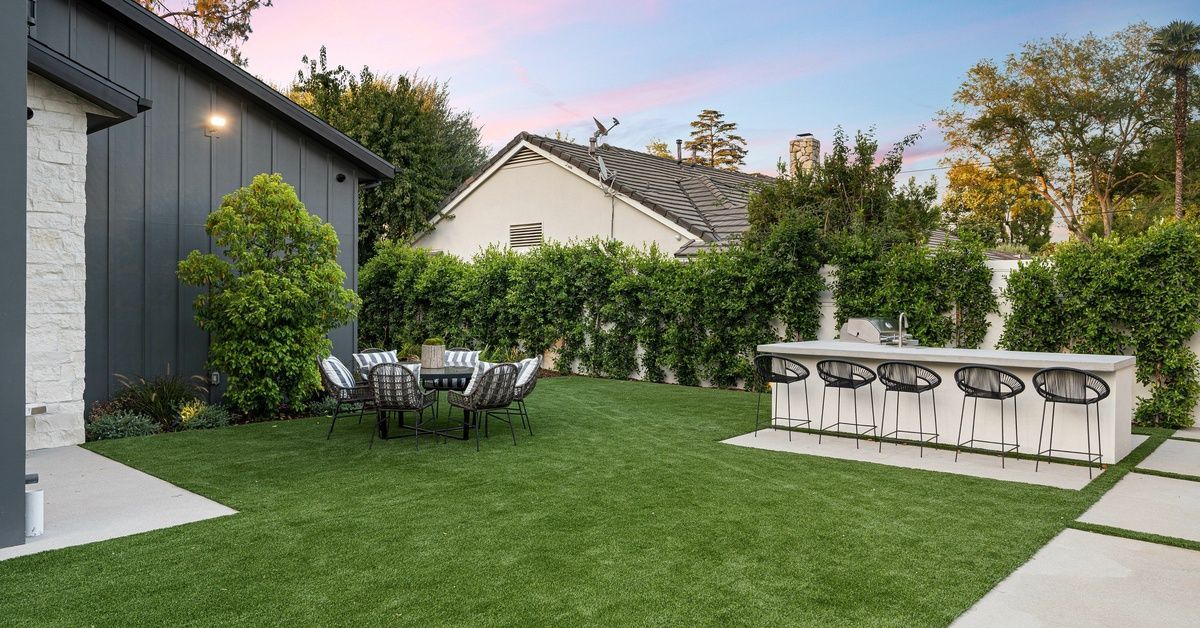
Choosing synthetic turf for your landscape is a significant investment in your property’s beauty and functionality. A well-chosen turf provides a lush, green lawn year-round with minimal maintenance, saving water and time.
However, with the variety of options available, selecting the right one often feels complex. Making an informed decision ensures your lawn will look great and withstand the test of time, weather, and activity. Use our advice for choosing the right synthetic turf for your landscape and let the pros at Allstate Landscape Services help you bring this project to life.
Consider the Turf’s Intended Use
Before exploring specific products, first define the primary function of your lawn. Will it be a decorative space with light foot traffic? Or will it serve as a play area for children and pets?
High-traffic areas, such as play zones or paths, require a more durable turf with a resilient fiber structure. You can prioritize appearance and softness for purely ornamental lawns. Identifying the main use narrows down your options significantly.
Understand Different Turf Materials
Synthetic turf is typically made from one of three materials: nylon, polypropylene, or polyethylene. Each has distinct characteristics, including:
- Nylon: This is the strongest and most resilient material available. It holds its shape well under heavy foot traffic and high temperatures, making it an excellent choice for high-use areas. However, its stiffness makes it feel less natural, and it’s often the most expensive option.
- Polypropylene: As a softer and more affordable option, polypropylene is common for putting greens or as a thatch layer in other turf products to add cushioning. It’s less durable than nylon and has a lower melting point, making it less suitable for hot climates or heavy use.
- Polyethylene: This material strikes a balance between durability and softness. It’s the most popular choice for residential lawns because it looks realistic, feels gentle underfoot, and offers good resilience. It holds up well to moderate foot traffic and is a versatile option for most applications.

Evaluate the Turf Pile Height
Pile height refers to the length of the turf blades, measured from the backing to the tip. Shorter pile heights, typically between one and one and a half inches, are more resilient and easier to clean, making them ideal for high-traffic areas, pet runs, and putting greens.
Longer pile heights, from one and a half to two and a half inches, create a more lush and luxurious appearance. While aesthetically pleasing, longer blades tend to bend more easily under pressure and may require more frequent brushing to maintain their upright look.
Examine the Face Weight and Density
Face weight measures the weight of the turf fibers per square yard, excluding the backing. A higher face weight generally indicates a denser, more durable product. Density refers to how closely the fibers are stitched together.
Denser turf looks fuller and is more resilient to foot traffic because the blades support one another. While a higher face weight often correlates with better quality, it’s essential to consider it alongside density for a complete picture of the turf’s durability.
Check the Backing Material
The backing provides the foundation for the turf, holding the blades in place and contributing to the product’s overall stability and drainage. Most synthetic turf has a two-part backing system: a primary backing that the fibers are tufted into and a secondary coating that locks them in place.
Look for a high-quality polyurethane coating, as it’s more durable and less susceptible to expanding or contracting with temperature changes compared to latex. A sturdy backing is vital for the longevity of your installation.
Choose the Right Infill
Infill is the material spread between the turf blades. It serves several important functions: it helps the blades stand upright, provides cushioning, weighs the turf down, and protects the backing from sun exposure.
Common infill options include silica sand, which is cost-effective, and rounded silica sand, which is less abrasive. For areas used by pets, specialized infills with antimicrobial properties are available to combat odors. The right infill is critical for performance and longevity.
Prioritize a Good Drainage System
Proper drainage is important for any synthetic turf installation, especially in areas with significant rainfall or for homes with pets. Look for turf with a perforated backing that allows water to pass through efficiently.
Moreover, the rate of drainage, often measured in gallons per hour per square yard, can vary between products. A high-quality drainage system prevents water from pooling on the surface, which keeps the turf clean and free of mildew.

Think About Color and Thatch
Modern synthetic turf comes in a variety of colors, from vibrant emerald greens to more subdued olive tones. To achieve a realistic look, choose a product that incorporates multiple shades of green and brown fibers.
Many turf options also include a thatch layer—the curly, brownish fibers at the base of the blades—which mimics the look of natural grass and adds cushioning. The right color blend and thatch can make your artificial lawn nearly indistinguishable from a real one.
Research the Manufacturer’s Warranty
A manufacturer’s warranty is a strong indicator of a product’s quality and the company’s confidence in its durability. Most reputable turf manufacturers offer warranties ranging from 8 to 15 years.
Carefully read the warranty details to understand its coverage, such as UV degradation (fading) and premature wear. A comprehensive warranty provides peace of mind and protects your investment for years to come.
Rely on Professional Installation
While selecting a quality turf is vital, the installation process is equally important for the best possible outcome. Professional installers have the expertise to properly prepare the base, ensure correct drainage, and securely seam the turf pieces together for a flawless finish.
Working with experienced Santa Clarita landscapers from Allstate Landscape Services ensures your investment is installed correctly, maximizing its lifespan and aesthetic appeal. A professional team also provides valuable guidance in selecting the best turf for your specific environment.
Secure Your Investment With the Right Choice
Choosing the right synthetic turf for your landscape involves balancing aesthetics, functionality, and budget. By carefully considering factors like material, pile height, density, and backing, you can select a product that meets your needs and provides a beautiful, low-maintenance lawn for many years. We value the happiness of our customers and are committed to helping you find the perfect solution for your landscape. Call us today for a free consultation 661-298-0888.